A race bike can vanish from a shop wall long before the first number gets pinned. For many U.S. riders, the Pinarello Prince FX sits in that awkward sweet spot: serious enough for Tuesday night criteriums, yet not priced like a full WorldTour replica. That is why the latest buying chatter feels so familiar. Riders are not only shopping for a road bike. They are trying to lock in size, fit, and parts before local calendars get crowded.
The rush makes sense when you look at how amateur racing season works in America. A March tune-up race in Texas, a May road weekend in Colorado, and a June crit series in the Midwest can all push the same type of buyer into the same narrow window. Once a few common sizes disappear, the market feels tighter than it looked last week. For readers tracking cycling retail demand, this is where a bike story becomes a timing story.
Why the Pinarello Prince FX Is Tightening Before Race Calendars Fill
The Prince line sits in a strange place, and that is part of its pull. It is not the top Pinarello halo bike most riders dream about while watching the Tour. It is also not a soft comfort machine for slow café loops. It speaks to the rider who wants a carbon race bike with sharp manners, but still needs to pay entry fees, replace tires, and drive to races. That middle ground is where demand can pile up fast, mainly because the buyer is already committed. They have group rides on the calendar, a license to renew, and a friend who keeps sending race flyers. A bike like this becomes less of a luxury toy and more of a season decision.
The non-obvious piece is that scarcity rarely begins with the whole model. It begins with one size, one color, one build, or one dealer allocation. A 54cm disc build in a popular finish can feel gone while a 59.5cm frame sits unnoticed. For a rider in Atlanta or Minneapolis who has a spring criterium series coming, that difference matters more than the headline.
The gap between dream bike and start-line bike
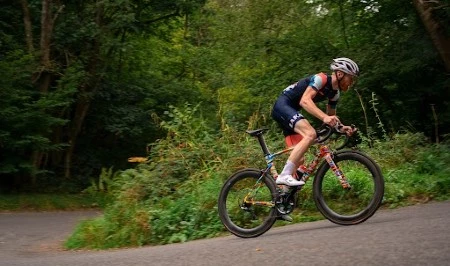
A bike can look like a dream online and still fail as a start-line tool. Amateur racers learn that fast. The frame has to fit, the gearing has to match the course, and the cockpit cannot force you into a position you can hold only for ten minutes. A rider who wants to attack a short hill in a New England road race needs a different setup than someone who plans to survive a flat, windy crit near Houston. Same sport, different pain.
That is where this model earns attention. It carries the emotional pull of an Italian race brand, but it also lands near the practical side of racing. A rider moving from a basic aluminum bike may feel a huge jump in stiffness and steering without needing the full pro-level price. That matters for self-funded racers. They are paying for chains, hotel rooms, gas, bar tape, and those annoying late registration fees that make every decision feel heavier.
The better question is not whether it looks fast. Most race bikes do. The question is whether you can ride it hard on rough U.S. roads, corner cleanly in a packed field, and still get home without your lower back staging a protest. Dream bikes get admired. Start-line bikes get judged at mile 48, when the field surges and your hands are already tired.
Why size scarcity feels worse than model scarcity
Most buyers talk about stock as if it is one big pile. It is not. Bike stock is size stock. A 51.5cm frame does nothing for a rider who needs 56cm, even if both share the same paint. That is why online inventory can mislead people. A page may show “available,” but the size you need might be gone, boxed at another store, or tied to a build you would never choose.
That is why the amateur racing season makes the squeeze feel sharper. Before racing starts, riders have time to shop, compare, and wait. After the first local event, patience drops. Someone gets shelled in a crosswind, notices half the field on deep wheels and sharper frames, then starts calling shops on Monday morning. The buying mood changes from curious to urgent, and urgent shoppers make inventory feel thinner.
A shop in Southern California might have one suitable build. A dealer in Florida might have another, but shipping, fit, and warranty support can complicate the choice. The smartest buyers treat availability as a fit problem first and a deal problem second. That sounds less exciting. It saves money. It also keeps you from telling yourself that a frame one size off is “close enough” because the color looks clean under store lights.
What Makes This Carbon Race Bike Fit Amateur Racing Season
A race frame does not need to feel kind in the showroom. It needs to feel clear when you ask it to change lines at speed. Pinarello has said the FX version uses Torayca T900 fibers in a 3K weave for greater reactivity and steering precision, and that the 2022 Prince family added Shimano Ultegra Di2 12-speed with 40mm MOST Ultrafast carbon wheels on updated builds. Those details are not decoration. They point to a bike meant to respond when the road gets nervous.
That matters because amateur racing season rewards calm reactions more than fantasy watts. In a local crit, you spend half the race making small corrections. You close gaps, avoid sketchy wheels, brake later than you planned, and sprint from bad positions. A carbon race bike that gives clear feedback can help, but it will not save sloppy riding. The rider still has to do the work.
Fast handling without the full pro-bike penalty
The best amateur race bikes do not feel wild. They feel alert. There is a difference. A twitchy front end can scare a newer racer in a crowded corner. A dull frame can waste energy every time the pace jumps. The sweet spot is a bike that answers quickly, then settles down when you stop asking.
A road.cc test described the bike as stiff, quick under power, direct in corners, and firmer over rough surfaces than some comfort-first designs. That is a fair warning for U.S. riders who train on cracked county roads or chip-seal shoulders. Speed has a texture. Sometimes it buzzes through your hands.
The counterintuitive truth is that a calmer rider may benefit more from a sharp bike than an aggressive rider does. If you already oversteer, grab brakes late, and fight the bars, a fast frame exposes your bad habits. If you ride smoothly, it gives those habits a cleaner stage. That is why a measured Cat 4 rider can look better on a sharp bike than a stronger rider who panics every time the pack compresses.
The parts that matter more than the badge
Brand love gets people into bike shops. Parts keep them racing. A name on the down tube will not help if the tires are slow, the saddle numbs you, or the gearing leaves you over-spun on a downhill sprint. The badge may start the conversation, but the build sheet finishes it.
For most amateur racers, Ultegra-level parts make sense. They offer race-ready shifting and braking without turning each crash into a financial wound. That matters in Category 4 fields, where elbows, potholes, and late moves all share the same stretch of pavement. A clean shift while standing up a short climb can save a gap. A brake lever with the right reach can keep you calmer when the rider ahead chops a corner.
Wheels deserve a sober look. A stock wheelset can be fine for training, but it may leave speed on the table in flatter events. The smarter path is not always to buy the flashiest build. It may be to buy the right frame, ride the stock setup for a month, then add wheels after you know your courses. That is how racers avoid expensive guesses. A $1,500 wheel upgrade feels better when it solves a problem you have felt in your legs, not one you saw on a forum.
How to Buy Before the Best Builds Vanish
Buying under pressure is where riders make poor choices. They stretch on size. They ignore crank length. They tell themselves a long stem can fix a short frame or that a high saddle can rescue a bad fit. That logic feels brave for two days. Then the knee pain arrives. A better plan starts with fit numbers, not with a sale tag. Use a road bike buying checklist before calling dealers, because a written list keeps emotion from driving the whole purchase.
Before you chase a listing, write down your non-negotiables. Frame size range. Stack and reach target. Brake type. Gear range. Budget for pedals, cages, tires, fit, race license, and a tune-up. Add travel costs if the bike is two states away. A bike that looks like a deal can turn expensive once you make it race-ready.
Check fit before you chase a paint color
Paint is emotional. Fit is mechanical. When both are right, you feel lucky. When only paint is right, you feel sore. The problem is that paint creates urgency. Fit creates patience. Serious buyers have to side with patience, even when a rare finish shows up in the wrong size.
Start with your current bike numbers if you have them. Measure saddle height, saddle setback, reach to the hoods, and bar drop. A local fitter can help, but even a careful home record is better than guessing from height alone. Two riders at 5-foot-10 can need different frames because leg length, arm length, mobility, and riding style all shift the answer.
Here is a simple buying order that works:
- Confirm frame size and fit range.
- Confirm brake type and wheel standard.
- Confirm drivetrain condition or build spec.
- Confirm return, warranty, or shop support.
- Confirm price only after the first four pass.
That order feels backward to deal hunters. Good. It keeps you from buying the wrong bike because a discount made you impatient. If the shop cannot answer fit questions, slow down. A great price from a poor match is still a poor match.
Read the build sheet like a mechanic, not a fan
A listing can hide weak points behind famous names. “Ultegra build” may still come with heavy training wheels, basic tires, a short cassette, or cockpit parts that do not suit your fit. None of those are fatal, but they change the real price. Ask for the exact wheel model, tire size, cassette range, crank length, rotor size, and bar width before you talk numbers.
Look closely at cassette range, crank length, rotor size, tire clearance, wheel model, and handlebar width. For a hilly race in Pennsylvania, an 11-30 cassette may make more sense than a tight race block. For a flat office-park crit in Dallas, tire choice and wheel depth may matter more than one extra climbing gear. Course profile should shape the setup. Ego should not.
The non-obvious move is to ask the shop what they would change before race day. A good mechanic will tell you if the tires need swapping, if the chain is near its wear limit, or if the bar width is odd for the frame size. That small conversation can reveal more than a polished product page. It can also tell you whether the seller understands racers or only understands margins.
Race Prep After You Find the Bike
The purchase is not the finish line. It is the start of a shorter, more practical job: turning a new machine into your machine. That means contact points, tires, gearing, brake feel, bottle placement, and a few hard rides before the first race number goes on. A smart rider treats the first month as setup time. A rushed rider treats the first race as setup time and pays for it in public.
USA Cycling tells first-time racers that road, track, and cyclocross events use skill categories from Novice through Category 1, and that race-day prep includes checking equipment, arriving early, and learning registration details before the start. Its race category guide is worth reading before you show up confused at 6:40 a.m. with your bib pinned on the wrong side. For a wider packing and setup plan, pair it with a race-day cycling gear guide before the week gets busy.
Tune the contact points before upgrading wheels
New bike joy can make people buy wheels too soon. A better saddle position may save more power than a deeper rim. A bar width that lets you breathe in the drops may help more than a carbon bottle cage. Small fit changes often beat shiny upgrades. They also cost less, which matters when race fees and tires keep showing up.
Spend the first two weeks on repeatable rides. Do one steady endurance day, one hill ride, one group ride, and one hard cornering session in a safe lot. Note hand pressure, saddle comfort, braking reach, and whether you can stay low without locking your shoulders. Keep notes after each ride. Patterns matter more than one bad day.
A rider in Denver preparing for a spring road race might discover the stock gearing is fine, but the saddle angle is not. A rider in New Jersey targeting crits might find the brakes feel too grabby for tight corners. These are fixable issues. Fix them before race stress makes them feel bigger. The quiet work in the garage often does more for race day than the loud purchase did.
Use the first local race as a fit test
Your first event on a new road bike should not be treated like a final exam. Treat it as a paid lesson. You will learn how the bike behaves when you are tired, boxed in, and asked to accelerate from 22 mph for the tenth time. No parking-lot spin can copy that feeling.
USA Cycling’s upgrade system is built around progression, with riders moving through categories based on race experience, field size, and results. That structure matters because your first few races are not only about placings. They teach you where the bike helps and where your habits need work.
After the race, write down three things: what felt fast, what felt awkward, and what scared you. Do this before the drive home blurs the details. The best upgrade may not be wheels, bars, or a new saddle. It may be two weeks of cornering practice in an empty school lot. That answer is not glamorous. It is often the one that makes the next race safer and faster.
Conclusion
The current rush around race-ready bikes is not hard to understand. Riders see spring and summer events coming, shop stock looks uneven, and the best-fit builds often move before casual buyers notice. The smart response is not panic. It is order.
Start with fit, then build, then support, then price. Let the brand matter, but do not let it silence your own body. A beautiful bike that hurts after forty minutes will not become kinder because the logo carries history.
The Pinarello Prince FX makes sense for the U.S. amateur racer who wants sharp handling, a respected frame, and enough performance to grow into without pretending to be a pro. It is not the right answer for everyone, and that is the point. The right race bike should narrow your excuses, not multiply your problems.
Buy with enough time to test, adjust, and make mistakes before the whistle blows. Then show up early, pin the number flat, and race the bike you actually know.
Frequently Asked Questions
How much should I expect to spend on a race-ready Prince FX setup?
Plan beyond the sticker price. Add pedals, bottle cages, tires, a fit session, spare tubes or sealant, race fees, and a pre-race tune. Even a fair bike price can feel high once you prepare it for a full amateur racing season.
Is the Prince FX a good first carbon race bike?
Yes, for riders who already know they enjoy fast group rides and want sharper handling. It may feel too firm for someone coming from comfort bikes or casual paths. A test ride matters more than the badge.
What size should I buy if my ideal frame is sold out?
Do not stretch far outside your fit range. A slightly different stem can help, but it cannot rescue the wrong frame. Compare stack, reach, saddle position, and bar drop before accepting any second-choice size.
Is this road bike better for criteriums or long road races?
It can work for both, but the setup should match the event. Crit riders may focus on tires, braking feel, and bar position. Road racers may care more about gearing, comfort over rough pavement, and bottle access.
Should I upgrade the wheels right away?
Wait until you know the bike. Ride the stock setup on familiar roads, then decide. Many riders gain more from tires, fit, and brake tuning before spending money on deeper wheels.
Can I race with mechanical shifting instead of Di2?
Yes. Mechanical shifting can still race well when cables, chain, cassette, and derailleurs are maintained. Electronic shifting feels cleaner under pressure, but it does not replace timing, positioning, or fitness.
How early should I buy before my first event?
Give yourself at least three to six weeks when possible. That window allows time for fitting, tune-ups, tire changes, and shake-down rides. Buying during race week often turns small setup issues into big stress.
What should I check before buying a used Prince FX?
Inspect frame damage, fork steerer length, drivetrain wear, wheel condition, brake rotors, seatpost hardware, and proof of ownership. Ask for clear photos in bright light. A cheap used bike can become costly if hidden repairs appear after purchase.