
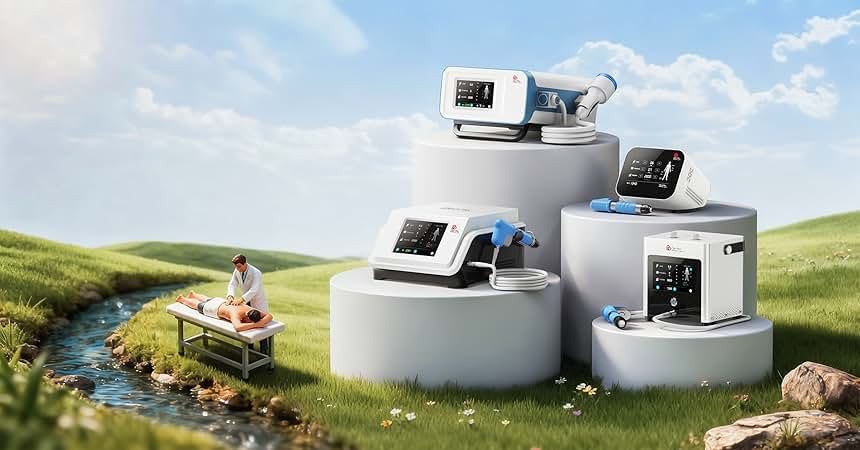
A serious recovery tool becomes far easier to consider when the price stops acting like a wall. The Compex Sport Elite is drawing attention from U.S. runners, lifters, cyclists, CrossFit athletes, and weekend players because the current sale pushes a premium wired EMS unit into a range that feels less like pro-room gear and more like a smart home training buy. Current public listings showed the official Compex store at $299.99, down from $419.99, while Amazon showed a $249.00 offer at the time of search.
That matters because this is not a random massage gadget with a buzzy label. It is an EMS recovery device with 10 programs, a TENS kit, color-coded leads, pad placement help, and a rechargeable battery rated for up to 8 hours.
For anyone comparing a massage gun, compression boots, or a muscle recovery tool for home use, this deal deserves a closer look. The better question is not whether the sale is loud. It is whether the device fits how you train, recover, and manage sore spots after real work.
Why the Compex Sport Elite Sale Feels Different This Time
The first thing to understand is that this sale lands in a crowded recovery market. American shoppers now see massage guns at warehouse clubs, compression sleeves on TikTok, and cheap electrode pads across online marketplaces. The noise makes every discount sound larger than it is. A lower price only matters when the product itself sits in the right lane.
This unit sits in the “structured recovery and muscle activation” lane. That is different from a tool you grab for five minutes while watching TV. It asks you to place pads, choose a program, and sit through a session with some intent. That small bit of effort is why many people skip EMS. It is also why the right buyer may get more value from it than from another passive gadget.
The price gap changes the buyer math
At $400-plus, a wired stim unit feels like something you buy after a coach, trainer, or physical therapist tells you to. Around the current sale range, it starts competing with higher-end massage guns, one month of boutique recovery studio visits, or a pair of serious running shoes plus accessories. That shift changes the decision.
A rec league soccer player in Ohio, for example, may not spend full retail on an EMS recovery device after tight calves and sore quads. At a lower sale price, the same buyer may see it as a season-long tool. Sunday match, Monday recovery, Wednesday lift, repeat.
The non-obvious point is that a lower price does not make EMS “casual.” It makes a more demanding tool easier to justify. You still need patience. Pads have to be placed correctly. Programs have to match the goal. The device does not reward the person who refuses to read the screen.
It is not a magic shortcut, and that helps
The best reason to take this sale seriously is also the least flashy one: the product does not need miracle claims to be useful. The FDA says EMS devices may temporarily tone or strengthen muscles, but they are not cleared as tools for weight loss or instant “rock hard” abs. The agency also notes that firms must meet the right premarket rules before selling these devices in the United States. FDA guidance on electrical muscle stimulators
That should calm the hype down. Good.
A muscle recovery tool is most believable when it supports training instead of pretending to replace it. If you squat, ride, run hills, or do sprint intervals, a structured session after the work can fit into the routine. If you expect electrodes to build a body while you ignore sleep, food, and movement, the sale price will not save you.
What You Actually Get Beyond the Discount
The discount grabs attention, but the kit matters more once the box arrives. This is where shoppers often make the wrong comparison. They compare price tags, not use cases. A cheap TENS-only unit may help with basic pain relief needs, but it will not always offer the same program range, build, or sport-focused setup.
The Sport Elite 3.0 package listed by Rogue includes the stimulator control, USB charger, carrying case, four color-coded lead wires, and snap electrodes in 2-by-2 and 2-by-4 sizes. Rogue also lists 10 preset programs and a battery rated for up to 8 hours of stimulation.
The 10 programs make it feel less like a single-purpose device
The program range is the main reason this unit stands apart from bare-bones electrode products. Compex lists 2 warmup programs, 4 strength programs, 3 recovery programs, and 1 pain relief/TENS program. That means the same device can serve a pre-lift activation session, a post-workout recovery slot, or a TENS kit need when soreness changes how you move.
A runner training for a fall half marathon might use one path for pre-run muscle readiness and another after a long Saturday effort. A lifter could choose a different setting after heavy deadlifts than after a light accessory day. The value comes from matching the session to the body in front of you.
The counterintuitive part is that more programs can make the device easier, not harder. A vague device asks you to guess. A labeled set of programs gives you a starting point, even if you still need common sense and the manual.
Wired design is less trendy, but not weaker
Wireless recovery gear gets more attention because it looks cleaner on a phone screen. Wired units look older. They involve leads, pads, and a controller. For home athletes, though, wired can be the sane choice because it keeps the process visible. You see what is connected. You know which channel goes where.
That matters after a tiring workout. You do not want a sleek app to become another task. You want a setup you can repeat on the couch, on a gym bench, or in a hotel room after a race.
The wired design also keeps the device from pretending to be a lifestyle toy. It feels like training equipment. That can be a plus for people building a garage gym around useful pieces instead of shiny clutter. Readers comparing home gym recovery tools should treat that as a real advantage, not a drawback.
Who Should Buy It, And Who Should Skip It
A deal article should not push everyone toward the same cart button. That is lazy shopping advice. This product has a clear audience, and it also has clear wrong-fit buyers. The sale price expands the audience, but it does not erase the limits.
Think about your last month of training. Not your dream routine. Your real one. If you trained hard, dealt with sore areas, and already planned recovery time, this kind of unit fits. If your equipment ends up in a drawer after one week, the lower price may only make that drawer more expensive.
Best fit: consistent athletes with repeat soreness patterns
The strongest fit is someone with repeat training stress. Cyclists with heavy quad load. Runners with calves that bark after speed work. Lifters who know the difference between normal soreness and a warning sign. Court-sport players who feel the same hamstrings after every league night.
That person can build a small routine around an EMS recovery device. Ten minutes of setup does not feel like friction because the payoff is tied to tomorrow’s session. The device becomes part of training hygiene, like filling a water bottle or packing knee sleeves.
A concrete example helps. A high school football dad in Texas who still trains three nights a week may use it after lower-body days, not because he wants pro-athlete theater, but because Thursday soreness can ruin Saturday pickup basketball. That is the real market.
Skip it if you want effortless recovery
This is not the best first buy for someone who hates setup. A massage ball, walking, light mobility work, or a simpler heat pack may serve that person better. No shame there. The best tool is the one you will use after a long day.
You should also pause if you have a pacemaker, heart concerns, epilepsy, pregnancy concerns, skin sensitivity, recent surgery, or any condition where electrical stimulation may be unsafe. FDA guidance for powered muscle stimulators warns against certain placements and situations, including use with cardiac demand pacemakers and placement over the neck, mouth, chest path across the heart, inflamed skin, or areas lacking normal sensation.
The non-obvious buying rule is simple: the more powerful a recovery tool feels, the more boring your safety habits should be. Read the manual. Start low. Keep pads where they belong. Do not turn recovery into a dare.
How to Judge the Sale Before You Buy
The smartest shoppers do not ask, “Is this discounted?” They ask, “Discounted from what, sold by whom, and useful for how long?” That is where recovery gear gets tricky. Online prices move, sellers change, and bundles can look similar while including different accessories.
At the time of search, the official Compex page showed $299.99 against a regular price of $419.99 and listed a 2-year warranty, price match guarantee, and money-back guarantee. Amazon showed a separate $249.00 offer with the same product title and 467 ratings displayed.
Check seller, warranty, and included pads
The lowest number is not always the best buy. For a device with pads, leads, and charging parts, seller quality matters. You want a clean return path, clear warranty support, and the full set of accessories. Missing pads can turn a bargain into a second order.
Look for the product title, program count, included TENS kit, electrodes, lead wires, charger, and case. Also check whether the seller is authorized or fulfilled through a trusted channel. A $20 difference matters less if one option gives you simpler support after delivery.
This is where deal hunters can get too clever. A recovery product is not like a hoodie. If it arrives incomplete or poorly supported, your savings get eaten by time, irritation, and replacement parts.
Compare it against what you would buy instead
The fair comparison is not only “old price versus sale price.” It is this device versus your next best recovery purchase. A $249 to $299 range may overlap with a premium massage gun, entry-level compression gear, or several months of paid recovery sessions at a local studio.
For someone who trains at home, the unit may win because it covers more than one role. It can act as a post-workout muscle recovery tool, a warmup support tool, and a TENS kit option within one package. For someone who wants fast pressure on tight traps after desk work, a massage gun may still feel easier.
This is why smart fitness equipment deals should always be judged by routine, not headline. The right deal disappears into your week. The wrong deal becomes a box you move when guests come over.
Conclusion
Sales come and go, but a useful recovery purchase has to survive past the checkout thrill. This one is worth attention because the discount brings a serious training accessory into a range where regular athletes can weigh it without feeling reckless. It still asks for care, setup, and honest expectations.
That is where Compex Sport Elite makes sense for the right U.S. buyer: someone who trains often, knows where soreness shows up, and wants a structured option at home rather than another vague gadget. The current pricing makes the conversation easier, but the real value comes from repeat use.
Do not buy it because the phrase “record low” sounds urgent. Buy it only if the programs, pads, and wired setup match how you already move. Check the seller, confirm the included accessories, read the safety guidance, and make the device earn a place in your routine.
Frequently Asked Questions
How much is the Sport Elite 3.0 on sale for?
Current public listings showed Amazon at $249.00 and the official Compex store at $299.99, down from a listed regular price of $419.99. Prices can change by seller, stock, and shipping terms, so check the final cart before buying.
Is an EMS recovery device worth it for home workouts?
Yes, for people who train often and will follow a set routine. It is less useful for casual buyers who want instant relief with no setup. Pads, program choice, and session timing matter, so consistency decides the value.
What does the TENS kit do?
The TENS setting is aimed at pain relief support rather than strength work. It sends controlled electrical pulses through pads placed on the skin. Follow the manual closely, and avoid using it as a substitute for medical care when pain is sharp, new, or worsening.
Can this replace stretching or mobility work?
No. It can support recovery, warmup, or soreness management, but it does not replace movement quality, sleep, hydration, or smart training loads. Think of it as one tool in the routine, not the routine itself.
Who should avoid using an electrical muscle stimulator?
People with pacemakers, certain heart issues, epilepsy concerns, pregnancy concerns, recent surgery, skin sensitivity, or unclear medical symptoms should ask a qualified clinician first. Electrical stimulation also should not be placed over risky areas such as the neck or across the chest.
Is wired EMS better than wireless EMS?
Wired EMS is not automatically better, but it can be easier to trust for repeat home use because the channels and leads are visible. Wireless models feel cleaner and more portable. The better choice depends on patience, budget, and where you train.
How long does the battery last?
Retail listings describe the Sport Elite 3.0 battery as offering up to 8 hours of stimulation from a rechargeable lithium-ion battery. Real use can vary by program, intensity, battery age, and session habits.
What should I check before buying the sale?
Confirm the seller, return window, warranty support, included electrodes, lead wires, charger, carrying case, and program count. Also compare the final checkout price after tax and shipping, because the lowest headline price is not always the best total deal.