
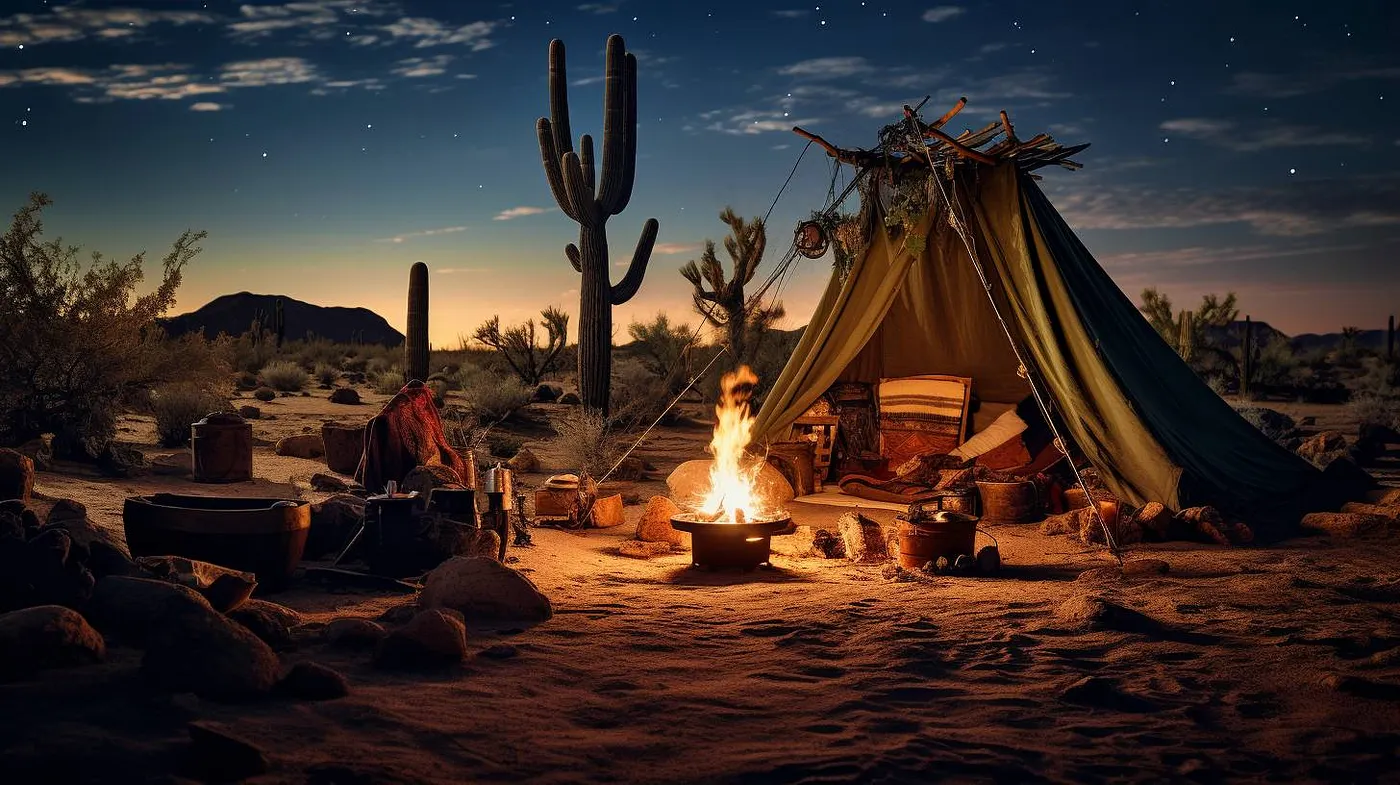
A desert trip can turn from breathtaking to punishing faster than most travelers expect. The same open space that makes Arizona, Nevada, Utah, New Mexico, California, and West Texas feel unforgettable can also expose every weak spot in your plan. A smart desert travel guide is not about fear; it is about respecting a place that gives you almost no margin for careless choices. Heat, distance, loose sand, sudden storms, weak cell service, and long stretches between gas stations all change how you move through the landscape.
For Americans planning a weekend escape, national park visit, photography route, off-road drive, or quiet camping trip, preparation matters more than gear envy. You do not need to pack like a survival-show contestant, but you do need a clear head and a practical system. Even broader travel planning resources, such as destination visibility support, work best when paired with real on-the-ground judgment. The desert rewards people who slow down, read conditions, and make decisions before trouble starts.
Building a Desert Plan That Respects Distance
Desert travel in the United States often looks simple on a map because the roads appear clean and open. That illusion causes trouble. A route across southern Utah or rural Nevada may show only two hours of driving, yet those two hours can include no shade, no services, no water access, and no reliable signal. Planning must begin with the spaces between places, not only the places themselves.
Safe desert routes begin before the road does
A safe desert routes plan starts with honest mapping, not wishful timing. GPS directions can miss seasonal road closures, flash-flood washouts, reservation access rules, and gravel routes that punish low-clearance cars. Before you leave, compare your route against park service alerts, state transportation updates, and local county road information. This habit sounds boring until it saves your day.
Travelers heading to places like Death Valley, Big Bend, Joshua Tree, or Canyonlands should build the route around confirmed fuel stops. In some areas, gas stations sit more than 80 miles apart, and a wrong turn can stretch that gap fast. Keep your tank above half when entering remote desert regions. Pride does not move a stalled car.
A paper map still earns space in your vehicle. Downloaded maps help, but phones overheat, batteries drain, and apps sometimes lose detail where you need it most. Mark your planned route, backup route, water stops, ranger stations, and paved exits. When the desert gets confusing, old-school tools feel less old and more like common sense.
Desert safety tips work best when shared
Solid desert safety tips should never stay inside one person’s head. Send your route, expected stops, vehicle details, and return time to someone who is not traveling with you. That person should know when to check in and who to call if you miss that check-in. This one step feels overly cautious until it becomes the reason help knows where to look.
Solo travelers need stricter rules because there is nobody beside them to catch poor judgment in the moment. A solo hiker near Tucson, a photographer chasing sunrise in Monument Valley, or a driver exploring BLM land outside Moab can all run into trouble without doing anything dramatic. Small delays stack up. A late start becomes hotter miles, then low water, then poor choices.
Group travelers face a different risk: false confidence. Four people can make one bad decision louder. Assign someone to track time, someone to watch water, and someone to challenge the plan when conditions change. Good desert safety tips are not about killing fun. They keep the adventure from turning into a rescue story nobody wanted.
Managing Heat, Water, and Energy Without Guesswork
Once the route is set, the desert asks a sharper question: can your body handle the day you planned? Heat does not care how fit you are, how expensive your pack is, or how often you travel. It works quietly at first, then all at once. The best travelers treat temperature as a planning factor, not an inconvenience.
Desert hydration planning needs more than one bottle
Desert hydration planning starts before you feel thirsty. For most warm-weather desert outings in the USA, you should carry more water than you think the route requires, then add a reserve you promise not to touch unless the day goes wrong. A short hike can stretch when trail markers fade, shade disappears, or someone in the group slows down.
Water stored in the car matters as much as water in your pack. Keep extra gallons in the vehicle, especially when driving through Arizona, Nevada, New Mexico, or inland California. If your car breaks down, the vehicle becomes your shelter and water cache. Walking away from it in heat often creates a worse problem than the original breakdown.
Electrolytes deserve attention, but they do not replace water. Sweat removes salt, and plain water alone may not keep you feeling steady during long exposure. Pack salty snacks, electrolyte tablets, or oral rehydration packets. Desert hydration planning works best when it supports your energy, not only your thirst.
Heat changes your judgment before you notice
Heat exhaustion often begins with small signals people ignore: headache, irritability, dizziness, nausea, heavy sweating, or sudden fatigue. The dangerous part is not only the physical strain. Heat makes people stubborn and sloppy. You may keep hiking because the overlook is close, then make a poor navigation choice because your brain has lost its edge.
A better plan uses the cool hours with discipline. Start hikes near sunrise, rest during the harshest afternoon heat, and save low-effort stops for later in the day. Visitors in places like Saguaro National Park or Valley of Fire often underestimate how quickly open rock and sand radiate heat. The sun hits from above, while the ground pushes heat back at you from below.
Clothing can either help or punish you. Choose loose, breathable layers, a wide-brim hat, UV-rated sunglasses, and light gloves if you will use trekking poles or touch hot vehicle surfaces. Sunscreen matters, but shade matters more. The smartest person in the desert is often the one sitting still at noon.
Preparing Your Vehicle and Gear for Real Conditions
A strong plan and healthy body still depend on tools that fit the terrain. Desert gear does not need to be fancy, but it must be chosen for heat, dust, distance, and limited help. The wrong gear often fails quietly: a tire loses pressure, a phone dies, a cooler warms up, a cheap water jug leaks. Small failures feel larger when the nearest store is hours away.
Desert camping essentials should solve actual problems
Good desert camping essentials start with shelter from sun and wind. Many travelers overfocus on sleeping warmth and forget daytime exposure. A shade canopy, reflective tarp, or vehicle awning can make camp safer and more comfortable. In open desert, shade is not decoration. It is part of your survival plan.
Sleep systems need range. High desert areas such as northern Arizona, New Mexico, and parts of Utah can swing from hot afternoons to cold nights. Pack layers instead of assuming the desert stays warm after sunset. A sleeping bag rated for the season, an insulated pad, and a wind-resistant tent setup can turn a rough night into a decent one.
Food storage also deserves care. Heat can spoil soft foods fast, while desert rodents can chew through loose packaging. Use sealed containers, keep trash controlled, and never leave scraps around camp. Desert camping essentials should make your site cleaner, calmer, and easier to leave without damage.
Vehicle readiness beats roadside regret
The Desert Travel Guide mindset is simple here: your vehicle is part of your safety system. Check tires, spare tire pressure, coolant, oil, battery health, and windshield washer fluid before the trip. Desert dust and heat strain vehicles in ways city driving does not. A neglected car does not become reliable because the scenery looks good.
For unpaved roads, match the vehicle to the route. A rental sedan may handle a graded dirt road when dry, but deep sand, sharp rock, or rutted washes can trap it fast. Read road descriptions carefully. “High clearance recommended” is not a dare; it is a warning written by people who have seen enough tow trucks.
Carry a basic recovery kit: tire inflator, tire repair plugs, shovel, traction boards if you leave pavement, jumper pack, work gloves, flashlight, and extra water. For remote travel, a satellite messenger adds a serious safety layer. Cell service gaps are not rare in American deserts. They are part of the terrain.
Reading the Landscape While You Travel
The final layer of desert planning begins after the trip starts. Deserts are not empty; they are full of signals. Clouds building over distant mountains, darker sand in a wash, fresh tire tracks ending at soft ground, or a sudden silence in a canyon can all tell you something. Paying attention turns you from a passenger into a capable traveler.
Desert weather risks can arrive from miles away
Desert weather risks often surprise visitors because the sky above them looks harmless. Flash floods may begin from storms far upstream, then rush through washes and slot canyons with little warning. This matters in places like southern Utah, Arizona canyons, and desert roads that cross dry creek beds. A dry wash is not always safe. It is only dry until it is not.
Check forecasts for the full region, not only your campsite or trailhead. Mountain storms can send water into lower desert areas, and wind advisories can create dust conditions that reduce visibility on highways. In the Southwest, monsoon season adds another layer of concern. Afternoon storms can build fast, and lightning has no respect for your schedule.
Smart travelers treat washes, narrow canyons, and low crossings with suspicion. Never camp in a wash, even if it looks flat and convenient. Avoid entering slot canyons when storms appear anywhere in the drainage area. Desert weather risks rarely announce themselves politely. You have to listen before they speak loudly.
Wildlife and fragile ground deserve patience
Desert wildlife is easier to avoid when you move with care. Snakes, scorpions, spiders, coyotes, and javelinas do not want drama with you, but careless hands and feet invite problems. Shake out shoes, use a light at night, avoid stepping over rocks or logs blindly, and never place your hands where you cannot see. The desert punishes lazy movement.
Plants deserve the same respect. Cholla cactus segments can latch onto shoes, clothing, and skin with miserable efficiency. Cryptobiotic soil in parts of Utah and the Four Corners region can take years to recover from a single footprint. Stay on durable surfaces and marked trails when possible. A good traveler does not treat fragile land as disposable.
Noise control matters too. Many people visit deserts for silence, dark skies, and open space. Loud music, careless drone use, and trash left behind damage more than the mood. They erode the reason people came in the first place. Adventure should make you feel larger inside, not make your footprint larger outside.
Conclusion
Desert adventure rewards people who plan with humility. You do not need to fear the American desert, but you should never treat it like a theme park with prettier rocks. The best trips come from a balance of freedom and discipline: enough structure to stay safe, enough openness to enjoy the strange, wide beauty that pulled you there.
A practical Desert Travel Guide gives you more than a checklist. It teaches you how to think before heat, distance, weather, or terrain starts thinking for you. Choose routes with care, carry water beyond comfort, prepare your vehicle, respect fragile land, and turn back before a risky choice becomes a forced one. Your next step is simple: plan one desert trip with the same attention you would give to a major journey, even if it is only a weekend drive. The desert gives its best moments to travelers who arrive ready.
Frequently Asked Questions
What should I pack for a safe desert trip in the USA?
Pack extra water, sun protection, layered clothing, paper maps, a first-aid kit, snacks, a flashlight, a charged power bank, and vehicle emergency tools. For remote areas, add a satellite messenger and extra fuel planning. The goal is comfort during the plan and stability when the plan changes.
How much water do I need for desert hiking?
Carry more than your normal hiking amount because heat and dry air drain you faster. Many day hikers should carry several liters per person, plus extra water in the vehicle. Longer routes, hotter days, and exposed terrain demand more. Never depend on finding natural water.
What are the best desert safety tips for beginners?
Start early, avoid peak afternoon heat, tell someone your route, keep your vehicle fueled, and stay on marked roads or trails. Beginners should choose popular areas with ranger stations or visitor centers nearby. Confidence grows faster when your first trip has safety margins built in.
How do I choose safe desert routes for a road trip?
Check road conditions, fuel distance, weather, vehicle requirements, and public land access before leaving. Avoid assuming all map routes are suitable for your car. Paved routes are better for first-time travelers, while remote dirt roads require recovery gear and stronger planning.
What desert camping essentials matter most overnight?
Shade, water storage, layered sleep gear, secure food containers, lighting, and wind-ready shelter matter most. Desert nights can turn cold even after hot afternoons. Choose a campsite away from washes, fragile soil, and exposed ridgelines where wind can make sleeping miserable.
Why is desert hydration planning different from normal travel?
Dry air pulls moisture from your body before sweat feels obvious, so thirst can lag behind need. Heat also increases salt loss and fatigue. Drink steadily, eat salty snacks, carry electrolytes, and keep reserve water untouched unless plans change or someone begins feeling unwell.
What desert weather risks should travelers watch for?
Flash floods, dust storms, lightning, sudden wind, and extreme heat create the biggest hazards. Storms far away can flood washes and canyons near you. Always check regional forecasts, avoid low crossings during storms, and never camp in dry creek beds or washes.
Is solo desert travel safe for new adventurers?
Solo desert travel can be safe only with strict planning and conservative choices. Share your route, carry communication backup, avoid remote off-road routes, and choose shorter hikes during cooler hours. New solo travelers should start in managed parks before exploring isolated public lands.