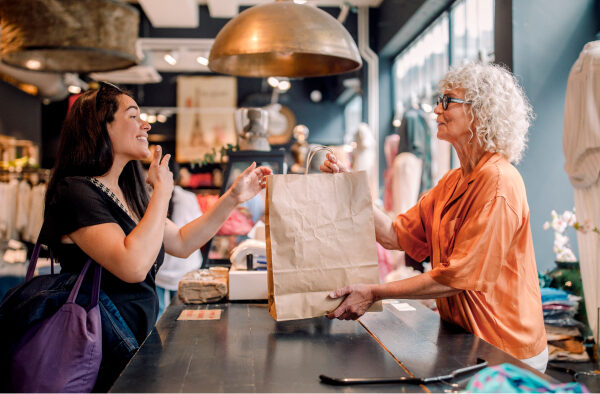
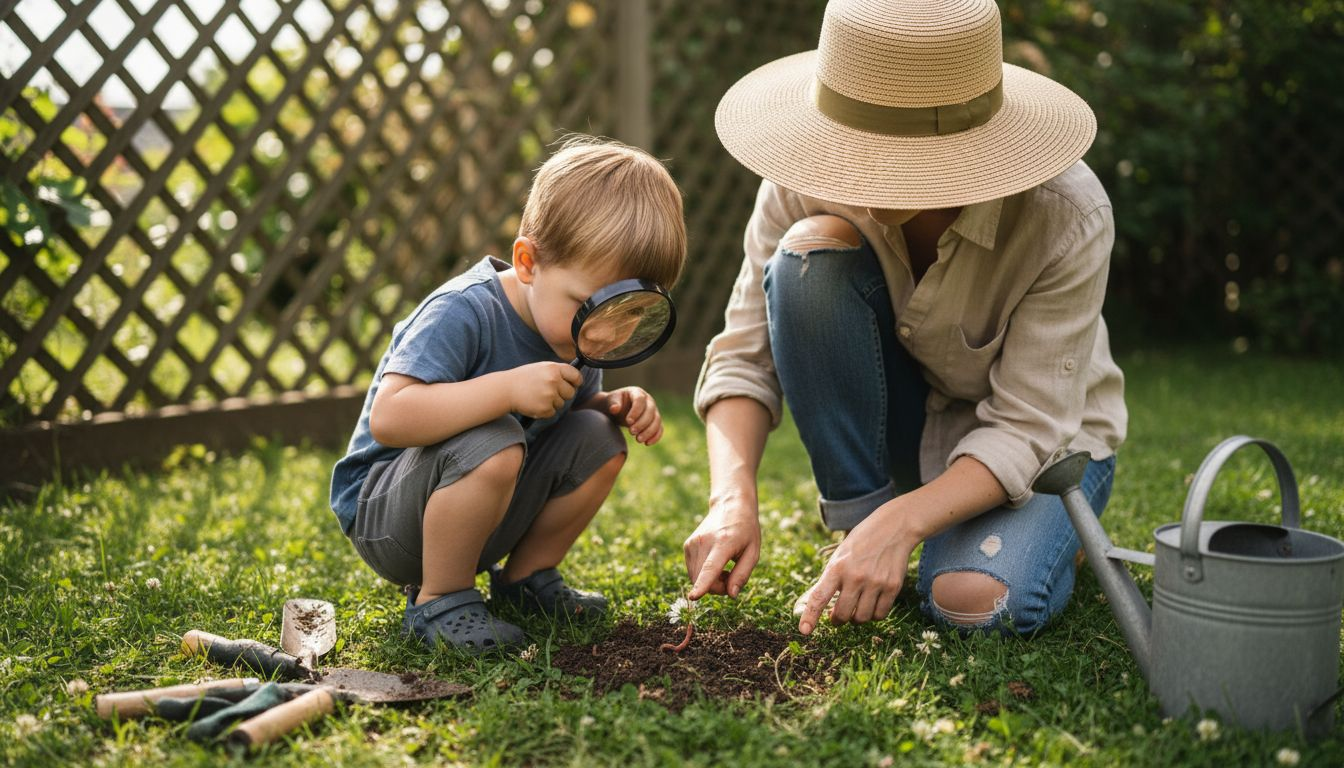
A home with kids can feel like a tiny factory running on snacks, laundry, school papers, outgrown shoes, and mystery plastic parts from toys nobody remembers buying. The good news is that eco-conscious families do not need a flawless, expensive lifestyle to raise children with better habits. Sustainable Parenting Tips work best when they fit real American routines: school mornings, grocery budgets, soccer practice, apartment living, suburban errands, and the kind of week where dinner is whatever can be made before someone melts down.
Parents in the USA face a strange pressure. They are told to buy cleaner, greener, safer, better, smarter products, yet the most sustainable choice is often buying less in the first place. That tension matters because families are not only managing waste; they are shaping what their children think “normal” looks like. Even small household decisions can become quiet lessons in responsibility, care, and resourcefulness. For families building local visibility around greener living, community resources like responsible family lifestyle coverage can also help connect everyday choices with wider conversations about better habits.
Sustainable Parenting Tips That Start With What You Already Own
The strongest eco-friendly family routines usually begin in the least glamorous place: the drawer, closet, garage, or pantry you already have. Parents often assume sustainable living means replacing everything with bamboo, glass, organic cotton, or compostable packaging, but that mindset can turn green living into another shopping project. The better move is slower and more honest. Use what exists first, repair what still has life, and teach children that care is more powerful than constant replacement.
Low-waste parenting begins with household habits
Children notice patterns before they understand principles. A child who sees a parent wash a snack container, mend a backpack strap, or pack leftovers for lunch learns that objects deserve attention before they become trash. That lesson lands harder than any lecture about the planet because it happens inside a normal Tuesday.
Low-waste parenting also works better when the system is easy enough for tired people. A family can keep a small bin near the door for library books, reusable bags, returns, and donation items. That one station prevents three common waste problems: forgotten errands, duplicate purchases, and clutter that turns into garbage because nobody knows where it belongs.
American households often run on speed, so the goal is not perfection. The goal is friction reduction. Put washable cloths where paper towels used to sit. Keep a refillable water bottle in each child’s backpack. Store lunch containers in one visible cabinet instead of scattering them across the kitchen. The greener choice wins when it is also the easier choice.
Green family living should not become expensive performance
A parent can spend a fortune trying to look sustainable. Matching wooden toys, premium lunch boxes, curated nursery baskets, and boutique cleaning products may photograph well, but they do not automatically reduce waste. Sometimes the greener choice is the scratched plastic bin already sitting in the basement.
Green family living needs a budget filter. Before buying a new eco-product, ask whether it replaces a disposable habit, solves a real problem, or only creates a nicer-looking version of something you own. That pause can save money and keep sustainability from becoming another pressure parents carry.
The counterintuitive truth is simple: using an imperfect item for five more years can beat buying a beautiful replacement today. Children learn from that restraint. They see that values are not always shiny, and that care sometimes looks like keeping the old stroller rolling because it still works.
Teaching Kids to Care Without Making Them Anxious
Once your home routines become calmer, the next challenge is emotional. Children should learn care for the environment without feeling like the weight of the earth sits on their shoulders. Parents have to strike a delicate balance. Too little honesty makes the topic empty; too much intensity makes kids shut down or worry about problems they cannot control.
Eco-conscious families need age-appropriate honesty
Young children understand concrete actions better than global warnings. Telling a six-year-old that a reusable bottle keeps trash out of parks makes more sense than explaining landfill systems or climate patterns. The child needs a handle they can hold, not a burden they cannot lift.
Older kids can handle more context, especially when parents connect it to choices they already make. A middle schooler can understand why fast fashion creates waste, why food packaging piles up, or why walking to a nearby store can be better than driving. The key is to pair every concern with agency, because fear without action teaches helplessness.
Eco-conscious families should also leave room for joy. Garden soil, bike rides, thrift-store treasure hunts, hand-me-down costumes, and library visits give children a positive relationship with lower-impact living. A child who connects sustainability with discovery will carry it longer than a child who connects it only with guilt.
Sustainable kids habits grow through responsibility
Children change faster when they own a small job. One child can manage the recycling check after dinner. Another can water herbs on the windowsill. A teenager can plan one lower-waste family meal each week. These tasks should feel useful, not symbolic.
Sustainable kids habits become stronger when parents explain the reason once, then let routine do the teaching. Too much commentary turns every action into a sermon. A calm “we save these jars for leftovers” works better than a five-minute speech on packaging waste.
Some resistance is normal. Children forget, complain, and choose convenience because they are children, not tiny environmental policy experts. Stay steady anyway. The win is not a perfect child who never wastes anything; the win is a child who grows up seeing responsibility as part of ordinary home life.
Food, Shopping, and the Hidden Waste in Family Convenience
After values are in place, daily spending becomes the next frontier. Food and household shopping create some of the biggest sustainability decisions families make, but parents rarely have time to treat every store run like a research project. The answer is not to make shopping harder. The answer is to build a few rules that survive busy weeks.
Family meal planning cuts more than grocery bills
Food waste often hides behind good intentions. Parents buy vegetables for a better week, forget them behind yogurt cups, then toss them on Friday with a little guilt and a lot of frustration. Better meal planning does not require a color-coded calendar. It requires a realistic view of how your family actually eats.
A useful plan starts with three anchors: one meal that uses leftovers, one meal that can be made from pantry items, and one meal that handles the busiest night. This structure keeps families from panic-buying takeout or overfilling the fridge with food that expires before anyone touches it.
Family meal planning also gives children a practical role. Ask them to choose one fruit for lunches, one dinner vegetable, or one leftover remix. When kids help make choices, they waste less because the food feels connected to them. The refrigerator stops being a storage unit and becomes a shared plan.
Eco-friendly family products should earn their shelf space
Parents get marketed to from every direction. Diapers, wipes, cleaners, lunch gear, bath products, clothes, toys, and school supplies all arrive with green claims. Some eco-friendly family products help. Others add cost without changing much.
A better buying rule is to focus on repeat-use categories first. Items used every day have the greatest impact over time: food storage, water bottles, cleaning cloths, refillable soap, rechargeable batteries, and durable school gear. A single reusable lunch setup can prevent a steady stream of baggies, wrappers, and disposable bottles from leaving the house each week.
Brand claims deserve a little skepticism. Look for plain language, clear materials, refill options, and durability. A product that breaks quickly is not green; it is waste with better packaging. The shelf test is blunt but fair: if it saves money, reduces trash, and survives family life, it belongs.
Building a Home Culture That Makes Greener Choices Stick
Sustainable habits last when they become part of family identity. That does not mean turning your home into a strict rule zone where every mistake becomes a lesson. It means creating a culture where children understand that resources matter, waste has a cost, and small choices count most when they repeat.
Sustainable home routines need visible systems
A household system works only when everyone can see it. Hidden bins, vague rules, and complicated sorting instructions fail because family life moves too fast. Put labels where decisions happen. Keep donation bags near closets. Place a small basket for items that need repair. Give batteries, cords, and art supplies their own homes.
Sustainable home routines should also match the family’s stage of life. A home with toddlers may focus on washable cloths, toy rotation, and secondhand clothes. A home with teens may focus on clothing swaps, driving less, and smarter tech use. The right system grows with the people inside it.
One overlooked trick is to make waste visible without making it shameful. A clear container for snack wrappers during one week can show kids how much packaging their favorite foods create. Then the family can pick one swap together. Data does not need a spreadsheet. Sometimes it needs a jar on the counter.
Community choices make green family living feel normal
Children believe what they see repeated beyond their own kitchen. When schools, neighbors, libraries, parks, faith groups, and sports teams support lower-waste habits, kids stop seeing sustainability as a weird family rule. It becomes part of belonging.
Parents can start small. Bring reusable plates to a team picnic. Suggest a costume swap before Halloween. Share extra garden herbs with a neighbor. Ask a school group to collect gently used supplies before buying new ones. These acts do not need speeches attached. They work because they make better choices visible.
Green family living becomes stronger when it feels social instead of solitary. Children who see other families repairing bikes, trading books, packing lunches, or walking short distances learn that the culture around them can change. That may be the deepest lesson parents can give: your family is not powerless, and your habits are not too small to matter.
Conclusion
The most lasting environmental lessons rarely arrive through big declarations. They come through repeated family choices that feel ordinary enough to survive hard weeks. A child who grows up seeing repair, reuse, sharing, planning, and restraint will understand something many adults are still trying to learn: care is a practice, not a personality trait.
Sustainable Parenting Tips matter because they move the conversation away from guilt and toward rhythm. You do not need a perfect pantry, a zero-waste bathroom, or a backyard compost system to raise thoughtful kids. You need household habits your family can repeat without resentment. Start with one visible system this week, whether it is a lunch-packing station, a donation bag, a leftover night, or a repair basket. Small routines become family culture when you protect them long enough to feel normal.
Choose one change your children can see, help with, and repeat, because the future is shaped inside the habits your home practices today.
Frequently Asked Questions
What are the best sustainable parenting tips for busy families?
Start with habits that save time and reduce waste at once. Reusable lunch containers, planned leftovers, refillable bottles, donation baskets, and washable cleaning cloths work because they fit normal routines. Busy families need systems that reduce decisions, not extra tasks that collapse by Wednesday.
How can eco-conscious families save money while going green?
Use what you already own before buying greener replacements. Secondhand clothes, library books, repaired gear, meal planning, and fewer disposable products often save more than premium eco-brands. The smartest green choice is usually the one that avoids another purchase.
What low-waste parenting habits are easiest for children to learn?
Children can handle simple, visible jobs. Sorting lunch containers, turning off lights, saving art scraps, refilling water bottles, and placing outgrown clothes in a donation bag all build awareness. The habit sticks when the child sees the result right away.
How do sustainable kids habits start at home?
They start through repetition, not lectures. Children copy what they see adults do every week: reusing bags, packing food, repairing items, sharing resources, and avoiding waste. A calm routine teaches more than a dramatic talk about environmental problems.
Which eco-friendly family products are worth buying first?
Start with items your family uses daily. Durable lunch containers, reusable bottles, cloth napkins, refillable soap, rechargeable batteries, and washable cleaning cloths usually give the best return. Skip products that look green but do not replace a wasteful habit.
How can family meal planning reduce household waste?
A simple plan prevents overbuying and forgotten food. Build meals around leftovers, pantry staples, and your busiest nights. Let children help choose a few items so they feel involved. Food gets wasted less when the family knows where it belongs.
What are simple sustainable home routines for apartments?
Apartment families can focus on compact systems: a small recycling station, a donation bag in a closet, reusable shopping bags by the door, indoor herbs, and shared laundry habits. Limited space can make sustainable routines easier because every item has to earn its place.
How can parents teach green family living without causing guilt?
Keep the focus on action, not fear. Give children jobs they can control, explain choices in plain language, and celebrate practical wins. Kids need to feel capable, not responsible for every environmental problem. Confidence builds better habits than guilt ever will.