
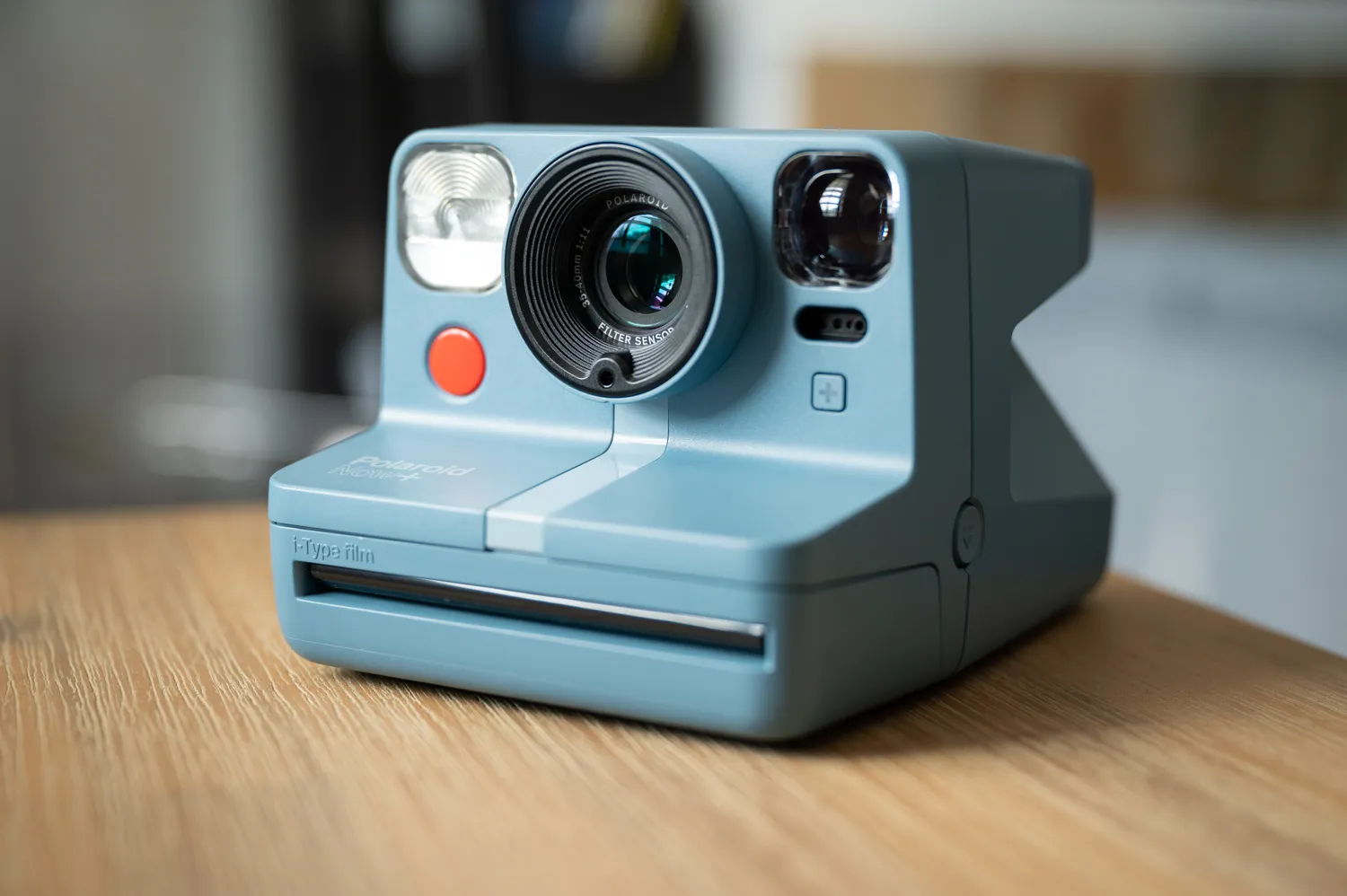
A wedding photo can be perfect and still feel strangely forgettable. That is why the Polaroid Now Plus has caught so much attention after a wedding photography post showed what guests already know: a small printed picture can carry more feeling than another flawless phone shot. The pull is not only nostalgia. It is the pause, the waiting, the slightly unpredictable color, and the way people pass the print around before it lands on a table, fridge, guest book, or wallet. For couples planning a U.S. wedding, the appeal is easy to understand. Budgets are high, timelines are tight, and every detail needs to earn its place. A smart instant camera setup gives guests something to do without turning the reception into another screen-heavy event. Wedding hosts are also paying closer attention to real-life product trends through consumer lifestyle coverage, especially when a simple gadget changes how guests interact. This camera is not a replacement for a photographer. It works best as the messy, charming side story.
Why Polaroid Now Plus Feels Made for Wedding Tables
The sudden buzz makes sense because weddings have a rare mix of emotion, boredom, movement, and display. Guests want to participate, but most couples do not want the reception to feel like a forced activity night. An instant camera sits in the middle. It does not demand much. It waits, looking familiar, then gives people a reason to gather.
Printed photos turn guests into part of the memory
A printed photo changes the pace of a wedding table. Someone takes a picture, everyone leans in, and the small white frame becomes a shared object. That moment feels different from uploading another image to a phone roll that may never be opened again.
This is where an instant camera earns its keep. It gives guests a role without handing them a microphone or putting them on the dance floor before they are ready. At a barn wedding in Pennsylvania, for example, the best table shots may not come from the loudest guests. They may come from an aunt quietly photographing cousins beside the cake table.
The non-obvious part is that the print is not always valuable because it is beautiful. Sometimes it matters because it is odd. Someone blinked. The flash hit the flowers in a strange way. The photo becomes a small artifact from the night, not a polished ad for the event.
The wedding post worked because it solved a real reception problem
Wedding photography often splits into two worlds. The professional photographer handles portraits, ceremony shots, and the clean record of the day. Guests handle the loose moments, but phone photos can scatter across texts, stories, and forgotten albums.
A Polaroid camera gives that loose world one landing place. Set it beside a guest book with tape, markers, and a small note, and the reception begins to build a second album by accident. That is more natural than asking every guest to scan a code and upload files after dessert.
There is friction, though. Film costs money, and people waste frames when they treat the camera like a phone. A good host plans for that. One sign near the table can remind guests to hold still, use flash indoors, and let the print develop face down. Polaroid’s own shooting guide also warns users not to shake prints and to protect them from direct light while they develop. Official Polaroid shooting guide
What Makes It Different From a Phone Camera at a Reception
Phone cameras win on speed, clarity, and storage. No serious couple should expect instant film to beat a modern phone in technical quality. That is the wrong contest. The strength here is social, not technical. A phone captures the scene. A print changes the scene.
Guests behave differently when every frame costs something
With a phone, people shoot ten versions and delete nine. With film, the room slows down. People pose with a little more intent because there is a mild cost attached to the click. That sounds limiting, but at a wedding it can be a gift.
A limited frame count helps keep the camera from becoming background noise. Guests pass it around because each shot feels like a choice. The best photos often come from that tiny pressure: grandparents at the sweetheart table, college friends holding up late-night fries, a flower girl asleep under a jacket.
The counterintuitive lesson is clear. Fewer pictures can create more memory. A wedding does not need endless coverage from every angle. It needs a few physical pieces that still feel warm the next morning.
App controls add freedom, but restraint still wins
The Now+ line connects with the Polaroid app for features like remote control, aperture priority, manual mode, self-timer, and double exposure. That sounds like a playground for creative guests, and in the right hands it can be. A remote-trigger group photo near a neon sign can look far more personal than another stiff lineup.
Still, weddings are not camera labs. Too many settings can slow people down or burn through film. For most receptions, the best setup is simple: keep flash on indoors, place the camera where the light is friendly, and save advanced modes for one or two trusted guests.
This is why couples should think of the Polaroid camera as a station, not a toy tossed into the crowd. Put it near good light. Add spare film. Give one bridesmaid or cousin light ownership of the area. That tiny bit of structure keeps the fun from turning into a pile of black frames and half-used cartridges.
How Couples Can Use It Without Creating Chaos
A wedding detail becomes annoying when it needs constant management. The camera should not pull the couple away from dancing, eating, or speaking to family. The whole point is to catch the night while the night keeps moving. That takes a little planning before guests arrive.
Build a small station instead of passing it around all night
The cleanest setup is a table near the guest book, card box, or lounge area. Add the camera, film packs, double-sided tape, metallic pens, and a short sign. Keep the wording plain. “Take a photo, let it develop face down, then add it to our book” is enough.
For a hotel ballroom in Chicago or a backyard wedding in Austin, this works because guests already pass through those spaces. No one has to hunt for the activity. No one has to ask the DJ for instructions. The camera becomes part of the room.
The hidden benefit is crowd control. If the camera stays in one zone, the couple gets more usable prints at the end of the night. If it travels from table to table, it may disappear during cocktail hour, sit near an empty plate, or end up with one group that takes half the film.
Match the film plan to the guest count
Film planning matters more than many couples expect. Polaroid film is not endless, and each pack holds a small number of shots. A 150-person reception can burn through supplies fast if guests treat the camera like a party favor.
A safe plan is to decide what the camera is for. If it is for the guest book, buy enough film for one shot per couple or household, with a little extra for mistakes. If it is for open party use, expect more waste and budget for it. For a smaller rehearsal dinner, two or three packs may feel generous. For a full reception, that may vanish before dinner.
Couples should also store film properly before the event. Keep it cool at home, then bring it to room temperature before use. That small step can help avoid avoidable photo issues. It is not glamorous advice, but it protects the money spent on film and gives guests a better chance of producing keepsakes worth saving.
What Buyers Should Know Before Chasing the Viral Trend
A viral wedding post can make any product look like a must-have. The smarter question is whether the camera fits your event, your patience, and your budget. Instant film has charm, but charm comes with limits. The couples who enjoy it most accept the limits before they buy.
It is best for atmosphere, not perfect documentation
Professional wedding photography still matters. A trained photographer understands timing, light, family dynamics, and pressure. They know how to catch the first kiss and recover when the ceremony starts late. A guest with instant film is playing a different role.
That difference should be welcomed. The instant prints can catch the cocktail napkin joke, the cousins reunited after five years, or the messy late-night dance-floor hug. These are not always portfolio images. They are texture.
For shoppers comparing wedding photo booth ideas, the camera makes most sense when the couple wants lower setup, less equipment, and a more personal feel. A booth creates cleaner output. An instant camera creates conversation. Both can work, but they do not create the same mood.
The better buy depends on your tolerance for imperfection
Some people love the uneven color, bright flash, and unpredictable exposure. Others will feel let down if every print is not crisp. That divide matters. Before buying, couples should look at real sample photos, not only styled product shots.
The Now+ camera works best for people who enjoy the physical process. Loading film, waiting for development, protecting prints from light, and accepting occasional misses are part of the experience. If that sounds annoying, a digital guest-book app or standard photo booth may fit better.
For readers browsing instant camera gift ideas, the same rule applies. The best buyer is not always the most serious photographer. It may be the friend who hosts dinners, scrapbooks trips, decorates with printed memories, or wants photos that do not live only behind a passcode.
Conclusion
The viral wedding moment landed because it tapped into something couples already feel. Modern weddings are heavily photographed, yet many memories still disappear into private camera rolls. A small print changes that. It gives the night a body, a little weight, and a place to live after the music stops. The Polaroid Now Plus fits that gap because it is simple enough for guests yet expressive enough to feel special. It will not replace polished portraits, and it should not try. Its value sits in the edges: the table laugh, the imperfect flash, the guest book page that feels alive. For U.S. couples planning a reception with personality, the smartest move is not to chase the trend blindly. Set the camera up with care, buy enough film, keep instructions short, and let guests do what guests do best. They will make the night a little less controlled, and that may be the part you keep.
Frequently Asked Questions
Is this instant camera worth it for a wedding guest book?
Yes, if you want a physical guest book with personality instead of plain signatures. It works best with clear instructions, tape, pens, and enough film. Expect some imperfect shots. Those small flaws often make the book feel more honest.
How much film should I buy for a wedding reception?
Plan around your guest count and purpose. For a guest book, one photo per couple or household plus extra packs for mistakes usually works. For open party use, buy more than you think you need because guests may take repeat shots.
Can guests use the camera without photography experience?
Yes, most guests can handle basic shooting if the setup is simple. Keep the camera in good light, leave a short sign, and remind people to hold still. Assigning one friend to help can prevent wasted film.
Does instant film work well indoors at weddings?
It can work indoors, but lighting matters. Flash helps at receptions, especially when subjects are close. Dark corners, backlighting, and fast movement can create weak prints. Place the camera near a lounge, guest book, or well-lit wall.
Should this replace a professional wedding photographer?
No. A professional photographer captures the main record of the day. Instant prints are better for guest interaction, candid table moments, and playful memories. Treat them as a bonus layer, not the main coverage.
What is the best way to display the prints during the reception?
A guest book table is the safest choice. Add tape, markers, and a sign telling guests to let photos develop before touching the image area. Some couples also use string lights and clips, but that needs more space.
Are instant cameras better than photo booths for weddings?
They are better for a casual, personal feel. Photo booths are better for consistent lighting, props, and repeatable results. The right choice depends on whether you want polished entertainment or a slower, more hands-on memory station.
Why are instant cameras popular again for wedding photography?
Printed photos feel rare because most images stay on phones. At weddings, that physical print gives guests a shared moment and gives couples something they can keep right away. The appeal is emotional as much as visual.