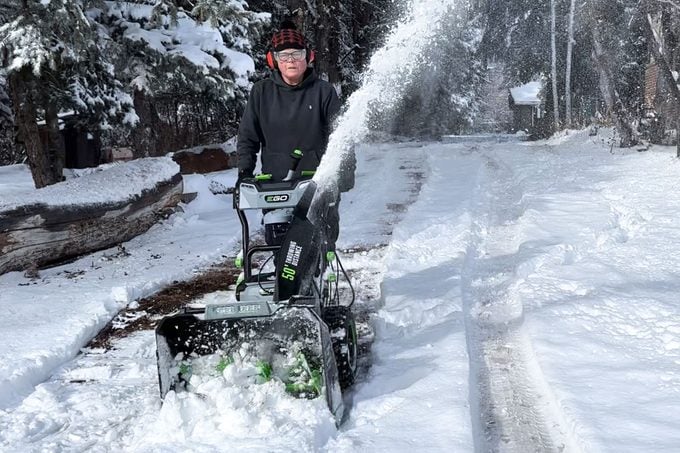
The old winter ritual was never as charming as people pretended. You dragged out a gas machine, smelled stale fuel, fought the cord, and hoped the engine cared about your driveway before work. That is why the EGO Power Plus story is getting so much attention among U.S. homeowners who want real clearing power without the garage drama. The win is not only about cleaner energy. It is about timing, patience, storage space, and the way families now buy outdoor tools as a system instead of one noisy machine at a time. Public sales rankings can shift by retailer and region, so the better question is why this battery model keeps stealing attention from gas choices in the first place. Shoppers following consumer product trend coverage can see the pattern: when a tool removes the worst parts of winter prep and still handles a normal storm, it stops feeling like a compromise. It starts feeling like the smart lane.
Why EGO Power Plus Became the Winter Tool Gas Owners Notice
For years, gas had one job in the buyer’s mind: look tough. If a machine smelled like fuel, shook the handle, and sounded angry enough to wake a block, people trusted it. That old shortcut is breaking down. The new question is calmer and more useful. Can you clear the driveway, put the unit away, and get on with the day without turning one snowfall into a Saturday repair lesson?
EGO’s current snow-clearing lineup is broader than a single showroom bet. Its official page lists 28-inch and 24-inch two-stage units, several 21-inch models, and smaller snow shovel options, so buyers can match the tool to the driveway instead of pretending one size fits every home. That range matters in places like Ohio, Colorado, Minnesota, and upstate New York, where the snow at the sidewalk is often a different problem from the snow in the middle of the drive.
Gas Power Lost the Convenience Argument
Gas still has a place for long rural lanes and deep, icy storms. Nobody who has cleared a plow wall in February should pretend otherwise. But most suburban buyers are not clearing a motel parking lot. They are clearing two cars, a walkway, the apron by the street, and maybe the neighbor’s path if they are feeling generous.
That is where a battery snow blower wins the mood of the morning. No fuel can. No oil change. No sour smell stuck to your gloves. You press a button and the machine is awake. That small detail sounds boring until it is 6:15 a.m., the school bus is due, and the dog is refusing to step off the porch.
A non-obvious shift is happening here. Buyers are not always chasing the strongest machine on paper. They are choosing the one they will use sooner. A gas unit that sits untouched because starting it feels like a chore is not more powerful in real life.
The same logic shows up at the first storm of the year. A gas owner may discover old fuel, a stiff pull cord, or a machine that needs a tune-up before it touches snow. A battery owner mostly discovers whether the packs were charged. That is a smaller failure point, and smaller failure points win busy mornings.
The Battery Platform Makes the Purchase Feel Safer
A cordless snow blower used to feel like a gamble because the battery had one seasonal job. That made the price harder to swallow. EGO changed the pitch by tying winter clearing to a year-round tool family. Its site says its batteries work across the brand’s tools and points to 56V ARC Lithium as the shared battery platform.
That matters in a garage where the same battery can move from mower to string trimmer to blower to winter machine. The buyer is not only purchasing snow gear. They are buying deeper into a storage and charging routine they may already understand. That lowers the fear of regret.
For a homeowner in suburban Chicago, that math can beat raw horsepower. If two batteries already mow the yard in July, the winter unit feels less like a strange new machine and more like the next piece in a setup. Gas asks you to maintain a second habit. Battery keeps you in one lane.
There is a budget angle here that gets missed. A shopper may compare sticker prices and stop there, yet the real decision includes fuel, storage cans, tune-ups, and the chance that a neglected gas unit refuses to start when the first storm hits. Battery packs are not cheap, but they are easier to understand when they serve multiple tools.
The Real Reason A Battery Snow Blower Feels Strong Enough Now
The old battery knock was simple: fine for powder, weak for real snow. That used to be fair. Early electric options often felt like powered shovels with bigger handles. They could clear a porch path but looked nervous near a packed driveway apron. The current market is different because the design has moved past the toy phase.
Consumer Reports describes snow machine testing around width, removal speed, plow pile clearing, and throw distance, which are the same pain points homeowners feel at the end of the driveway. Those are not vanity specs. They decide whether you finish before the slush freezes into a curb.
Two-Stage Design Changed Buyer Trust
The two-stage format is the main reason more gas loyalists are willing to look twice. A single-stage unit pulls snow in and throws it out with one motion. A two-stage machine adds an impeller, which helps move heavier snow out through the chute with more force. That extra step matters when the city plow has packed the apron with icy chunks.
Good Housekeeping’s electric machine guide named an EGO 24-inch two-stage model as a top pick and called out the value of two-stage battery designs for stronger throwing force. That does not mean every driveway needs the larger unit. It means the category now has a serious answer for the job gas used to own alone.
Here is the twist: the two-stage design helps buyer confidence even when the customer ends up with a smaller model. Once people believe the brand can build a heavier-duty unit, the whole line feels less risky. Trust spreads sideways.
This is why showroom testing can mislead shoppers. Pushing a dry machine across a clean floor tells you almost nothing. The real test is the ridge at the road, where snow has been crushed, salted, thawed, and frozen again. If a machine can make that part less dreadful, the rest of the driveway feels easy.
Runtime Anxiety Is Often A Planning Problem
Battery runtime is the complaint that never dies. It deserves respect because cold, wet snow drains energy faster than light powder. A long gravel drive in Maine is not the same job as a short paved one in New Jersey. Still, many buyers misread the issue by asking for endless runtime instead of asking for the right match.
A cordless snow blower should be picked by driveway size, storm type, surface, and storage habit. If you usually clear after four to eight inches, a strong battery unit can make sense. If you wait until the snow has turned into wet cement at the road edge, any machine will work harder.
The less obvious point is that battery power rewards earlier clearing. Gas owners often delay because starting and fueling the unit feels like a small event. Battery owners tend to go out sooner because the barrier is lower. That behavior change can make the tool perform better, not because the motor is magic, but because the snow never gets a full day to harden.
There is also a human pacing issue. Battery owners learn to clear in sensible passes instead of bullying one huge pile. That habit protects runtime and reduces clogging. It also makes winter work feel less like a fight, which is why many people stick with the routine after the new-tool excitement fades.
Why Homeowners Are Comparing Noise, Fumes, And Storage Before Horsepower
A winter machine lives inside the home ecosystem. It may sit near kids’ bikes, pet food, camping bins, and a freezer full of groceries. Gas turns that space into a maintenance corner. Battery turns it into storage with a charger. That difference feels small in a spec sheet and large in a real garage.
Gasoline-powered lawn and garden equipment has long raised emissions concerns. A paper hosted by the EPA estimated that gasoline lawn and garden equipment produced about 26.7 million tons of pollutants in 2011 and described the category as a major share of U.S. nonroad gasoline emissions. EPA research on gasoline-powered lawn and garden equipment emissions Snow machines are one slice of that wider equipment group, but the garage-level lesson is easy to feel: fumes matter more when the source sits a few feet from the laundry room.
Quiet Starts Matter In Real Neighborhoods
Snow does not care about polite hours. It falls before dawn, during dinner, and after everyone has settled in. A gas snow blower can turn a sleepy block into a complaint chain before sunrise. Battery machines are not silent, but the sound is less harsh and often less stressful for the person holding the handle.
That is a big deal in townhomes, tighter suburbs, and neighborhoods where houses sit close together. A parent clearing the walk at 5:45 a.m. may care as much about noise as throwing distance. So does the retired neighbor whose bedroom faces the driveway.
The counterintuitive part is that quieter gear can make sidewalks safer. When people feel less awkward about clearing early, they do it before foot traffic packs the snow down. Less delay can mean fewer slick patches near steps, mailboxes, and curb cuts.
Noise also affects the operator. A machine that feels calmer can make you less rushed, which helps you steer better around cars, steps, and landscaping stones. Winter accidents often come from hurrying through an unpleasant job. Make the job less punishing and people take fewer foolish shortcuts.
Storage Is A Bigger Buying Factor Than Reviews Admit
Most reviews talk about power first because power is easy to compare. Storage is harder to score, yet it decides whether a machine fits your life. A gas unit brings fuel cans, stabilizer, oil, spare plugs, and the smell of last season. A battery unit brings chargers and a battery routine.
Neither system is free. Batteries need smart care, especially in freezing months. They should not be tossed into a bitter cold shed for the whole season and then blamed when performance drops. But the storage mess is cleaner and easier for many homeowners to manage.
Think about a two-car garage in suburban Boston where one side already holds a mower, folding chairs, a trash bin, sports gear, and holiday boxes. The winning tool may be the one that leaves the fewest loose tasks behind. That is why cordless outdoor power equipment reviews should judge the whole ownership routine, not only the first pass down the driveway.
A second storage point is safety. Fuel cans are common, but common does not mean pleasant. If your garage is attached to the house, fewer fumes and fewer flammable liquids can feel like a relief. Battery care has rules too, yet those rules fit better with how many families already manage phones, power stations, and yard tools.
How To Decide If The Shift Away From Gas Makes Sense For You
The hype around any winter tool can get silly fast. One family clears powder from a flat driveway and calls the machine flawless. Another waits through a wet nor’easter, hits the plow pile late, and calls the same model weak. Both may be telling the truth. The difference is the job.
A smart buyer starts with the driveway, not the brand. Length, slope, surface, local snow type, and how fast the town plow blocks your apron all matter. So does your patience for maintenance. The best machine is the one that fits your worst normal storm, not the worst storm you can imagine.
Match The Machine To Your Snow Pattern
Light, frequent snow favors a single-stage battery unit. It is easier to move, easier to store, and often enough for paved driveways. Wet lake-effect snow, steep approaches, and heavy curb piles push you toward a two-stage machine with more bite and better throwing force.
A gas snow blower can still be the safer choice for a long gravel lane, a remote property, or a home where clearing may run far beyond a typical suburban session. That is not a failure of battery power. It is the difference between a household tool and a small workhorse.
For most buyers, the honest question is not “Can battery beat gas in every storm?” It is “Will this clear my place better than the gas unit I dread starting?” That second question is where the market has changed.
Look at your worst normal week, not the rare storm people talk about for ten years. If your area gets repeat small storms, battery convenience may matter more than peak muscle. If storms arrive wet, deep, and followed by a town plow, spend more attention on two-stage design, chute control, tire grip, and battery capacity.
Buy For The Morning You Actually Have
Real winter mornings are messy. You may have ten minutes before a commute, one kid looking for boots, and a car boxed in by the plow. In that moment, maintenance tolerance drops to zero. The right machine should make action feel easy.
That is why a battery snow blower can beat a louder, heavier gas model in daily value. It turns clearing into a task instead of a production. You still need charged packs, smart storage, and realistic expectations. But you skip the fuel run and the pull-start mood test.
Use a simple rule before buying: picture your most common storm, then picture yourself clearing it while tired. If the machine still feels manageable, you are close. A winter home maintenance checklist can also help you plan battery charging, ice melt, shovel backup, and safe storage before the first storm becomes a scramble.
The purchase should also account for who else may use it. A lighter, easier-starting unit may be safer for an older parent, a teen helping before school, or a spouse who avoids the gas machine. Sometimes the best tool is the one more people in the household can operate without a lesson and a warning speech.
Conclusion
Gas machines are not disappearing from American garages, and they should not. Some homes still need long runtime, heavy steel, and the old-school grit that comes with a fuel tank. But the center of the market is moving toward tools that fit daily life better. The EGO Power Plus rise makes sense because it solves the part of snow clearing people hate before the auger even touches the driveway. It cuts the startup hassle, keeps storage cleaner, and makes early clearing feel less like a battle. That is why the battery shift is not only an environmental story or a tech story. It is a behavior story. When a machine is easier to use, people use it at the right time. That can matter as much as peak power. Choose the model that matches your driveway, your storms, and your patience, then set up your winter routine before the first serious forecast hits.
Frequently Asked Questions
Is a battery snow blower worth it for a normal driveway?
Yes, if your driveway is paved, moderate in size, and you clear snow before it turns into packed slush. The best fit is a homeowner who wants faster starts, less upkeep, and cleaner storage more than all-day runtime.
Can a cordless snow blower handle wet snow?
It can handle wet snow when the model is matched to the job, but wet snow drains power faster and may need slower passes. Two-stage battery units are the better choice for heavier storms, curb piles, and dense snow near the street.
Is a gas snow blower still better for large properties?
Yes, gas still makes sense for long lanes, remote homes, gravel surfaces, and repeated clearing during large storms. Battery machines are improving fast, but gas remains practical when runtime and heavy snow volume matter more than noise or storage.
How long do snow machine batteries last in cold weather?
Runtime depends on battery size, snow weight, temperature, auger speed, and driveway size. Cold weather can reduce performance, so store batteries indoors when the manual allows it and start each storm with fully charged packs.
What size snow-clearing machine do most suburban homes need?
Many paved suburban driveways can use a 21-inch single-stage unit for lighter storms. Homes with wider driveways, frequent plow piles, or heavier regional snow should look at a 24-inch or larger two-stage design.
Are battery snow machines easier to maintain than gas models?
Yes, they remove fuel storage, oil changes, spark plug checks, and carburetor trouble from the routine. They still need care, including battery storage, scraper inspection, chute cleaning, and dry storage after use.
When should I choose two-stage over single-stage?
Choose two-stage when snow is often wet, deep, packed, or piled by a street plow. Single-stage works better for lighter snowfall, flat paved surfaces, and buyers who value easier handling over maximum clearing force.
What should I check before buying a winter clearing machine?
Check driveway length, slope, surface, local snowfall, storage space, battery platform, warranty, and replacement battery cost. Also think about when you clear snow. Early clearing makes lighter equipment perform better and reduces strain on any machine.